










The right ewallet app development company has already shipped regulated money movement, explains its security and compliance approach in specifics, and prices the work in a way that matches how settled your scope is. Of the six below, Hatzs Dimensions suits teams that want custom mobile and financial software on a fixed price or a dedicated team. Andersen suits full fintech-style wallet ecosystems. Dev Technosys suits crypto or cross-platform wallets. SDK.finance suits fintechs launching broader wallet types. Chetu suits integration-heavy builds, and S-PRO suits checkout-focused retail wallets.
Every vendor page promises secure, scalable, feature-rich apps. Few say what they would build for you, who they build it for, or how the cost model works. A wallet holds money and identity data, so a weak partner costs you compliance rework, not just delay.
Each company below gets the same two checks: what it offers and who it fits. Then you get the vetting criteria, realistic cost ranges, and a short look at how wallets earn money. Hatzs Dimensions is our company and is listed first. Judge it by the same checks as the rest.
1. Hatzs Dimensions
What it offers
Hatzs Dimensions is a custom software and AI company, so a wallet there is a custom build, not a template. The services a wallet project draws on are:

- Mobile app development: native iOS and Android apps, or cross-platform builds.
- Native engineering: Swift and SwiftUI on Apple devices, Kotlin and Jetpack Compose on Android.
- Financial software: invoices, payments, approvals and reporting in one system with role-based access, which maps well to a wallet’s back office.
Every project follows the same four steps: discovery and planning, design and prototyping, development and testing, then deployment and support.
Who it suits
Hatzs Dimensions suits companies that want to choose their commercial model deliberately. The Fixed Price Model sets scope, timeline and budget up front, which fits a tightly defined MVP. Dedicated Teams fit a wallet whose roadmap will shift after launch. The company has completed 200+ long-term projects since 2019, most partners stay for over 3 years, and it cut insurance operations costs by 30% for BrokerOS.
A fixed price suits a wallet with settled scope, and a dedicated team suits one that will keep changing.
One caution. The company does not list a packaged wallet product, so ask for payment-specific references, its PCI DSS scope, and which KYC providers it has integrated before you sign.
2. Andersen
What it offers
Andersen is a financial software vendor with a dedicated digital wallet practice. Its own guide breaks a wallet into five parts: the customer-facing app, the backend and APIs, payment integrations, security and compliance, and admin and analytics tools. It also covers closed, semi-closed, open and crypto wallets, so you can ask for the model that fits your business.
Its seven-phase process runs from discovery and UX design through integration, QA and penetration testing to deployment and support.
Who it suits
Andersen suits companies that want the whole ecosystem built, including the merchant dashboard and risk monitoring, not just the app. Its intake is formal. You get an expert callback, an optional NDA, and a proposal with estimates, timelines and CVs.
Ask any vendor for a written proposal with named people, and judge the compliance assumptions in it.
Before you commit, check which compliance assumptions (PCI DSS, KYC/AML) the proposal makes and who owns each one.
3. Dev Technosys
What it offers
Dev Technosys is a boutique-sized specialist that markets custom digital wallet solutions, including crypto wallets and cross-platform apps. Its pitch centers on secure, feature-rich builds for smooth transactions.
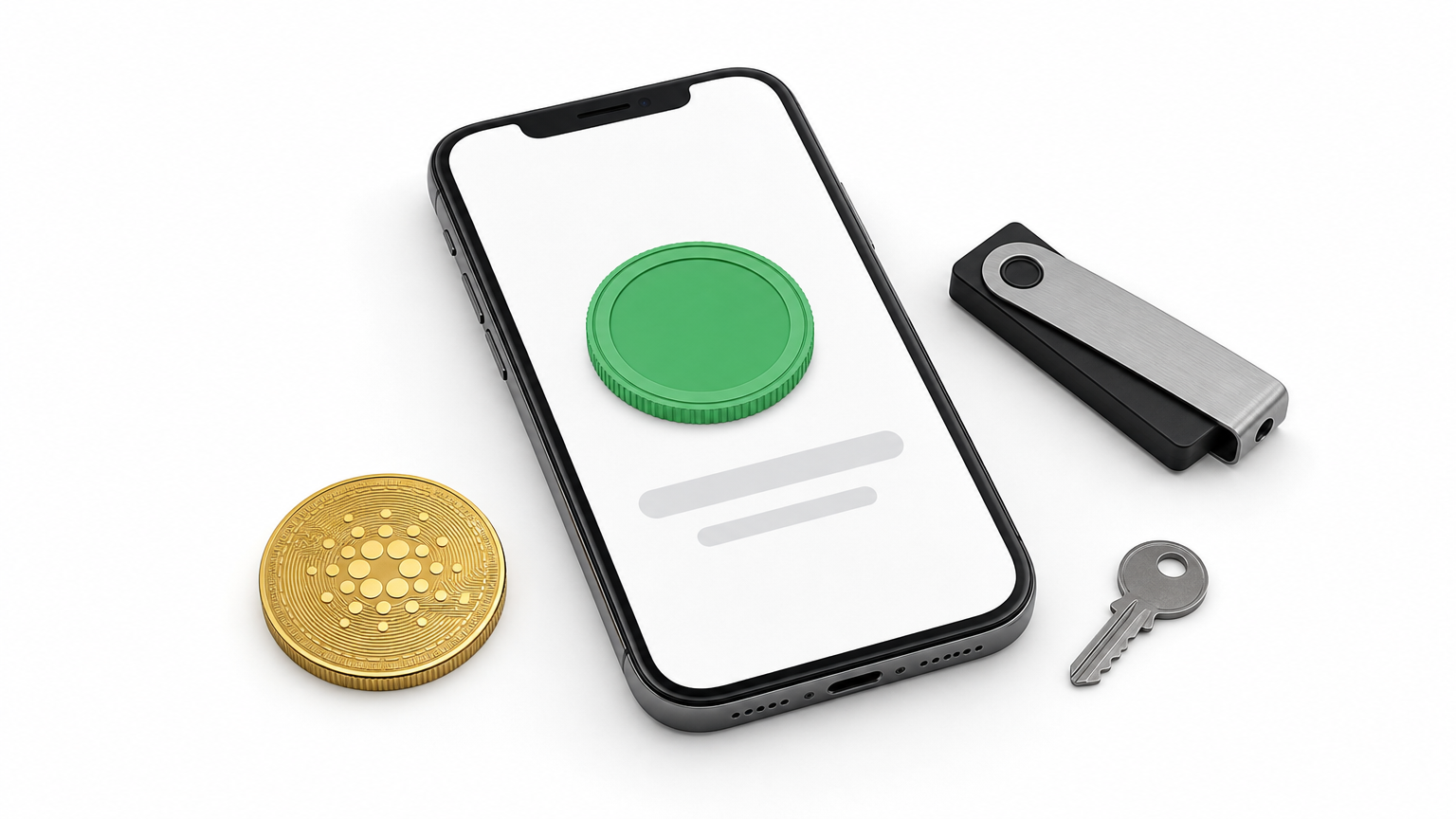
The crypto angle is the differentiator. Few general mobile shops are comfortable with key management, swaps or dApp connections.
Who it suits
Dev Technosys suits founders who need a crypto or Web3 wallet, or a single codebase for iOS and Android to hold early costs down. A smaller specialist can also give you more senior attention than a global integrator would.
For a crypto wallet, the custody model is the first question, because it decides your legal exposure.
Ask whether the wallet will be custodial or non-custodial, who holds the keys, and what licensing that triggers in your market. Also confirm who will staff your project, since boutique teams vary in depth.
4. SDK.finance
What it offers
SDK.finance says it develops all types of ewallet apps, with custom mobile and digital wallet solutions built on its technology and integrations. The company positions itself around fintech infrastructure rather than general app work.
That focus means its team should already know payment rails, ledgers and account management, the parts that general agencies learn on your budget.
Who it suits
SDK.finance suits fintechs and payment startups that want to launch a wallet quickly and expect to add features over time. It is less obviously a fit for a retailer who wants a simple loyalty balance.
Always find out how much of a vendor’s wallet is reused core and how much is custom to you.
Ask how much of the build is a reusable core versus custom work, whether you receive the source code, and what licensing or revenue terms apply once you scale.
5. Chetu
What it offers
Chetu offers ewallet app development and integrations for many kinds of wallet software. The word "integrations" matters here. Plenty of wallet projects are really about connecting a wallet to existing banking, payments or commerce systems.
Its services page is broad, so expect to define scope yourself instead of picking from a fixed product menu.
Who it suits
Chetu suits companies with existing platforms where a wallet must plug into current systems, such as a payments product, a marketplace or a back-office stack. It can also add capacity to an in-house team.
The more systems a wallet must connect to, the more your vendor’s integration record matters.
Because the offer is broad, ask for a named delivery team and a reference project that integrated a payment gateway or banking API, not just a mobile front end.
6. S-PRO
What it offers
S-PRO describes its eWallet work as building reliable, secure apps that speed up purchases and improve conversion. The emphasis is on the checkout moment, not on running a payments business.
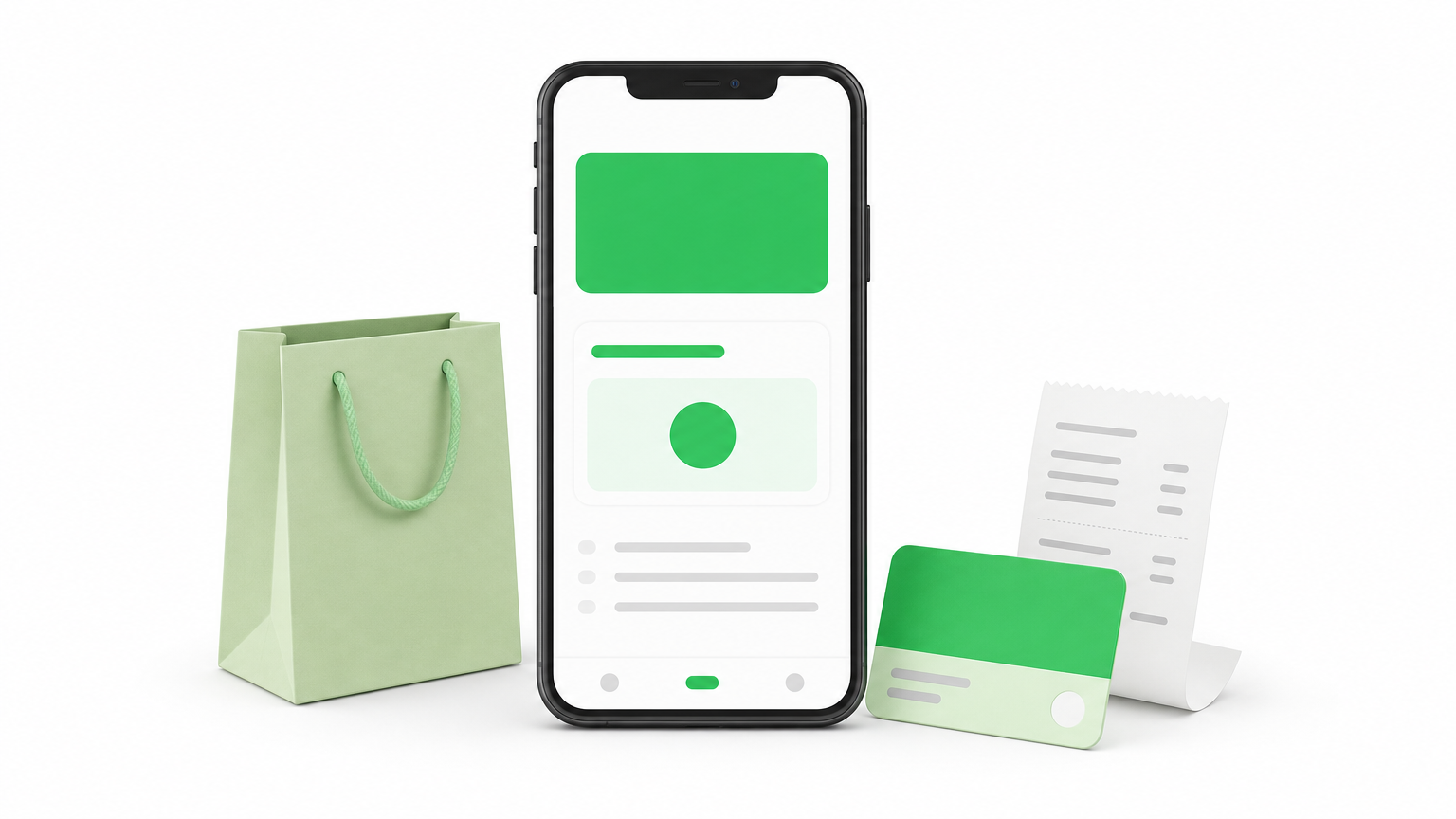
That framing suits wallets that exist to serve a commerce product, where balance, refunds and loyalty matter more than open-loop transfers.
Who it suits
S-PRO suits retailers, marketplaces and subscription businesses building a closed-loop wallet inside their own ecosystem. In that model funds stay within your own goods and services, which is simpler than an open wallet.
A closed-loop wallet is the cheapest way to own your payment experience, so confirm that is what you need.
Check how it handles refunds, stored value and account security, and whether the scope stays closed-loop or drifts toward open-loop features that carry heavier compliance.
How to choose an eWallet app development company
Vetting criteria that matter
Vendors label the same work e-wallet, eWallet or digital wallet development, so search all three terms. Then screen on proof, not promises:
- Payments experience: a shipped wallet or payment product, with references you can call.
- Security approach: encryption, tokenization, biometric login, multifactor authentication and device binding as standard, not extras.
- Compliance ownership: a clear split of who handles PCI DSS, KYC and AML.
- Integration record: gateways, card networks and banking APIs they have actually connected.
- Post-launch support: a maintenance plan with named people.
Security is also your answer to whether a wallet is safe. It is only as safe as the build and the compliance behind it.
What a wallet costs
Published estimates disagree widely, and the gap comes down to scope and compliance depth.
| Wallet scope | Published estimate |
|---|---|
| Basic wallet, core features | $10,000 to $20,000 |
| Wallet with advanced features | $15,000 to $25,000 |
| Simple MVP | $40,000 to $80,000 |
| Mid-sized wallet, expanded features | $80,000 to $150,000 |
| Complex or enterprise-grade wallet | $150,000 to $300,000+ |
The lower rows likely cover narrow builds with little regulated money movement. If your wallet needs KYC, bank links and fraud monitoring, plan from the higher rows. Budget 15% to 20% of the build price per year for maintenance. On a $60,000 MVP, that is $9,000 to $12,000 a year, so year one totals $69,000 to $72,000.
Budget from the scope you need, not the lowest quote you find.
How wallets earn money
Wallet revenue usually comes from transaction fees, a share of card interchange, currency conversion margins, premium tiers and merchant services. A closed-loop retail wallet often earns indirectly, through retention and lower payment costs.
Decide your revenue model before the build starts. It shapes the features, fee configuration and admin tools you ask the vendor to quote.
Picking your wallet build partner
A good wallet partner proves payments experience, owns security and compliance in writing, and offers a pricing model that fits your scope. Match the vendor to your wallet type: crypto, closed-loop retail, integration-heavy or full fintech ecosystem. Then test each shortlisted company on references, the compliance split, and who staffs your project.
If your wallet needs custom mobile apps and financial software, with either a fixed budget or a team that scales, talk to Hatzs Dimensions about your wallet scope. Bring your wallet type, target markets and compliance questions, and compare the answers against every other vendor on your list.
هل تريدون تنمية أعمالكم؟
التصنيفات
صُمّم للجريئين
نساعد الشركات الطموحة على تحويل أفكارها إلى أنظمة ذكاء اصطناعي وبرمجيات ومؤسسات جاهزة للإنتاج. احصل على رؤى حول الذكاء الاصطناعي والأتمتة والتحول الرقمي تصلك مباشرة إلى بريدك الإلكتروني.
200+ حلاً تم تسليمها في 11+ قطاعاً، فلنبنِ معاً ما هو قادم.