










Cut Cloud Costs, Not Performance
Stop overpaying for cloud. We apply FinOps practices, rightsizing, and smart purchasing strategies to improve your cloud ROI.
Book a scoping callHow cloud cost control works
Budgets, tagging standards, and alerts that keep cloud spend visible and accountable.
Spend broken down by team, project, and environment, with alerts before overruns.
Compute and storage matched to actual usage, with idle resources removed.
Know what you spend and why
We break spend down by team and project, remove idle resources, and set budgets and alerts, so cost decisions rest on actual usage.
FinOps Culture
Training engineering teams to be cost-aware throughout the development lifecycle.
Reserved Planning
Strategic purchasing of long-term compute commitments for deep discounts.
Waste Elimination
Identifying and safely removing abandoned and idle cloud resources.
Cost Control Activities
Cost Allocation
Break down cloud spending by department, project, feature, or engineering team.
Underutilization Analysis
Find servers and databases running at low capacity and right-size them.
Spot & Preemptible Strategy
Move non-critical batch workloads to cheaper spot or preemptible compute.
Budget Forecasting
Project month-end spend from current burn rates and flag anomalies early.
Tagging Governance
Enforce mandatory cost allocation tags on resources across all accounts.
Savings Prioritization
Rank cost-cutting opportunities by impact and effort so the biggest wins come first.
From Cloud Spend to Cost Efficiency — Here's What We Deliver
- Complete cloud spending insights
- Resource utilization tracking
- Better financial control
- Eliminate waste and idle resources
- Right-size workloads
- Improve efficiency
- Predict future cloud expenses
- Improve financial planning
- Reduce unexpected costs
- Usage alerts and policies
- Spending governance mechanisms
- Continuous optimization
- Scale without excessive costs
- Balanced performance and spending
- Long-term financial efficiency
FinOps Optimization Strategy
Audit
Comprehensive cloud spend analysis and waste identification report.
Optimize
Immediate technical cost-cutting actions and rightsizing execution.
Govern
Cost governance policies, tagging standards, and budget alert setup.
Scale
Continuous ROI monitoring, reserved instance planning, and monthly reviews.
Cost optimization by industry
Examples of where cloud spend is typically reduced or tracked in each industry.
Match cloud spend to seasonal farming workloads.

A multi-award-winning software development
partner


We've successfully developed hundreds of custom software applications for clients.
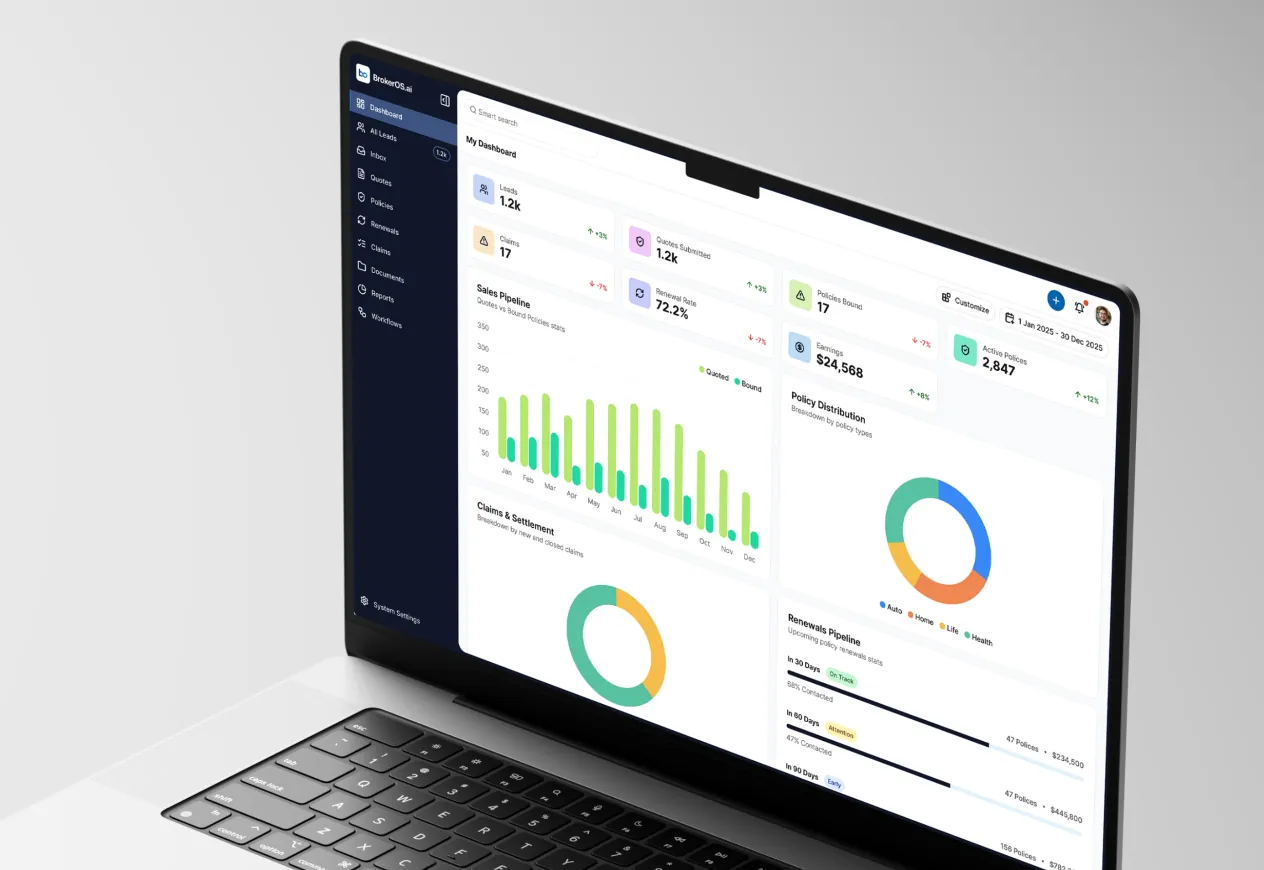
Reducing Insurance Operations Costs by 30% Through Intelligent Workflow Automation
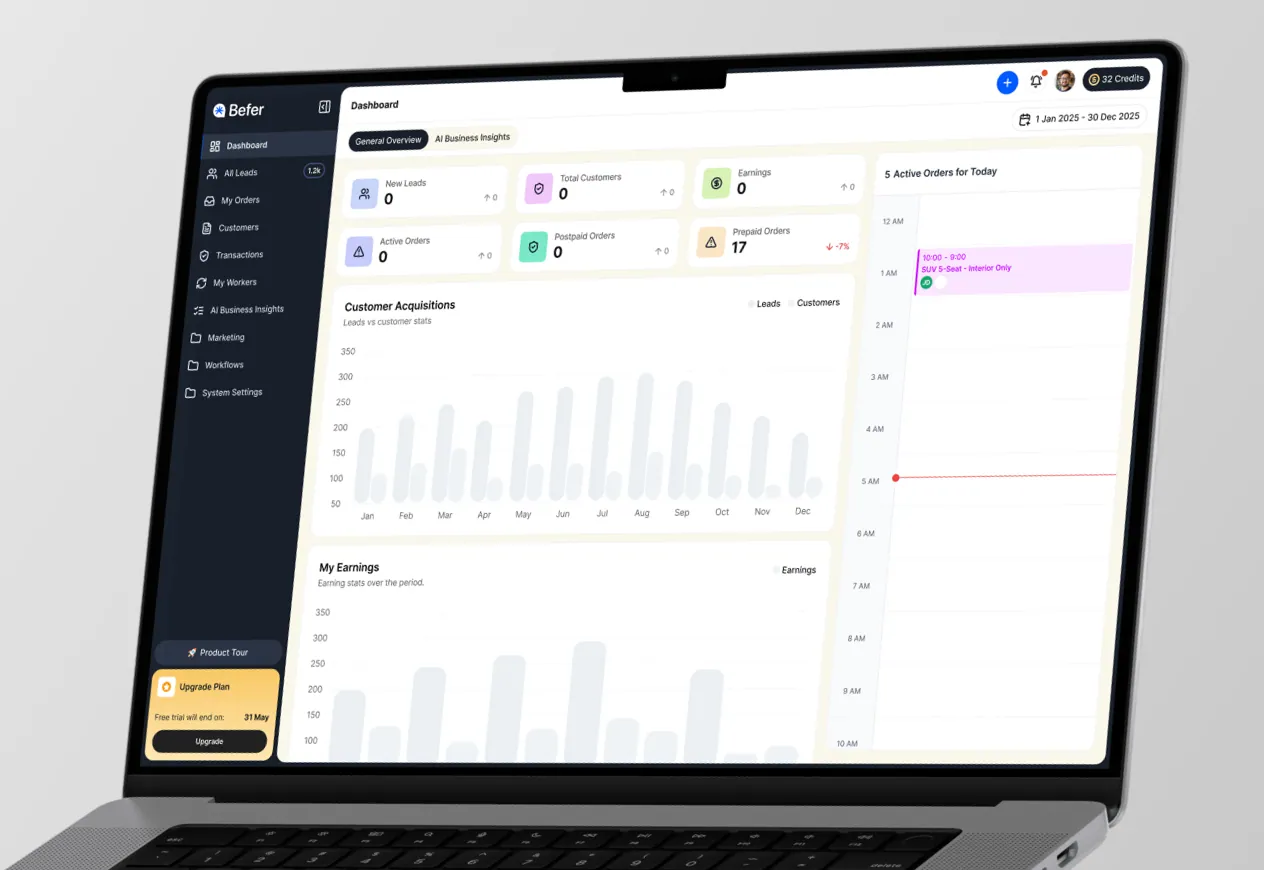
Boosting Lead Conversion Capacity by 300% with AI-Powered Service Automation
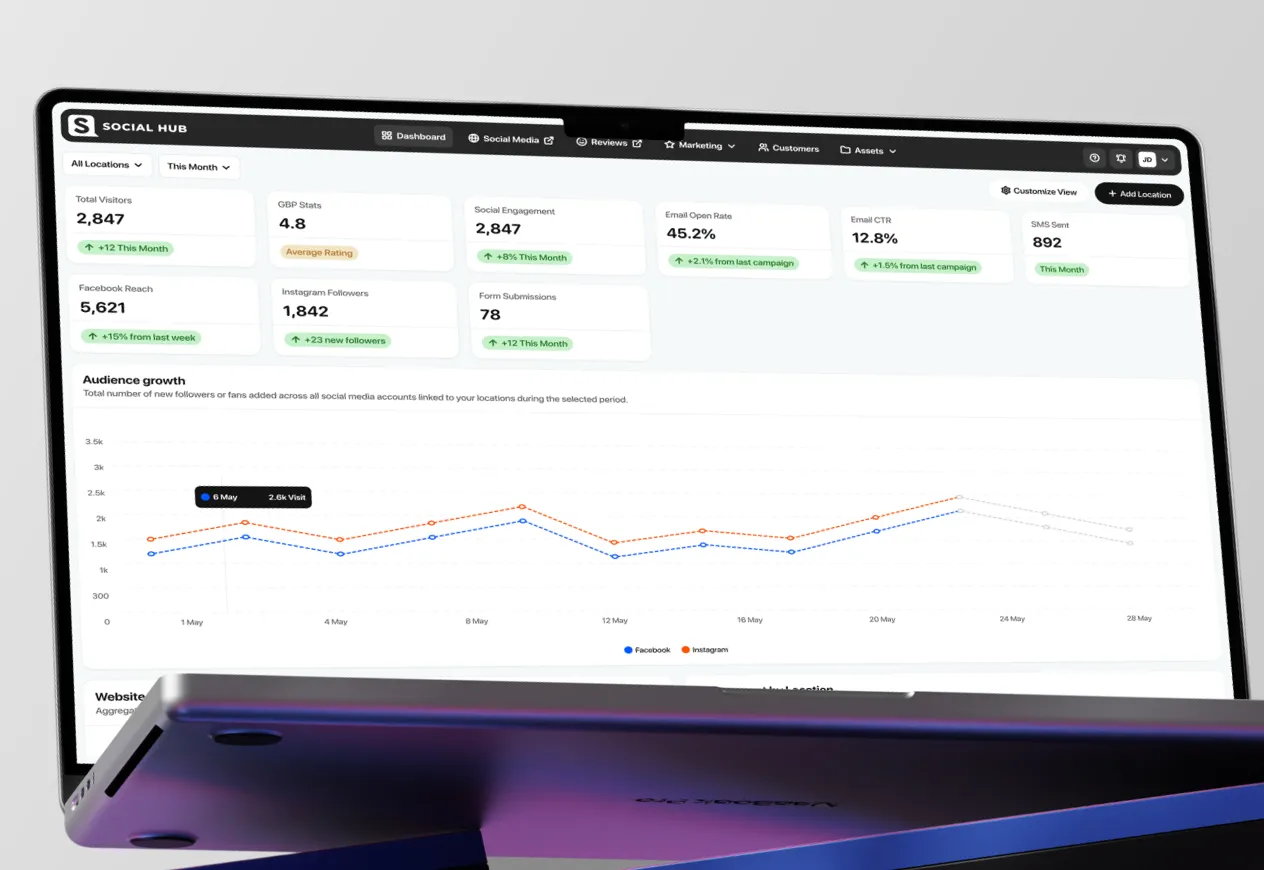
Driving 40% Higher Customer Engagement Through Restaurant Marketing Automation
Diversity drives innovation.
We're building a diverse, equitable, and inclusive team. Not because it's the “right thing to do,” but because it's a necessary building block of our success at HATZS.
Get insights into how technology can engineer transformative growth
Frequently asked questions
Industries we build this for
- RetailHATZS builds custom retail software for omnichannel retailers and consumer brands: POS and inventory integrations, ecommerce platforms, personalization engines and loyalty apps. By unifying store, warehouse and online inventory in real time, we helped Urban Cart cut cart abandonment by 42% and stockout incidents by 35%.
- LogisticsHATZS builds custom logistics software for freight brokers, carriers, 3PLs and shippers: transportation and warehouse management systems, fleet tracking dashboards and AI agents that handle dispatch and exceptions. We connect your TMS, WMS, ELD and ERP data into one platform, so dispatch, tracking and billing stop depending on manual re-keying.
- EnergyEnergy software development for utilities and energy companies: intelligent energy management platforms, smart grid solutions, and renewable energy monitoring systems that optimize operations. Our engineering expertise covers real-time data analytics, IoT integration, asset management, and regulatory compliance, supporting the energy sector's transition to a sustainable future.